Skip to content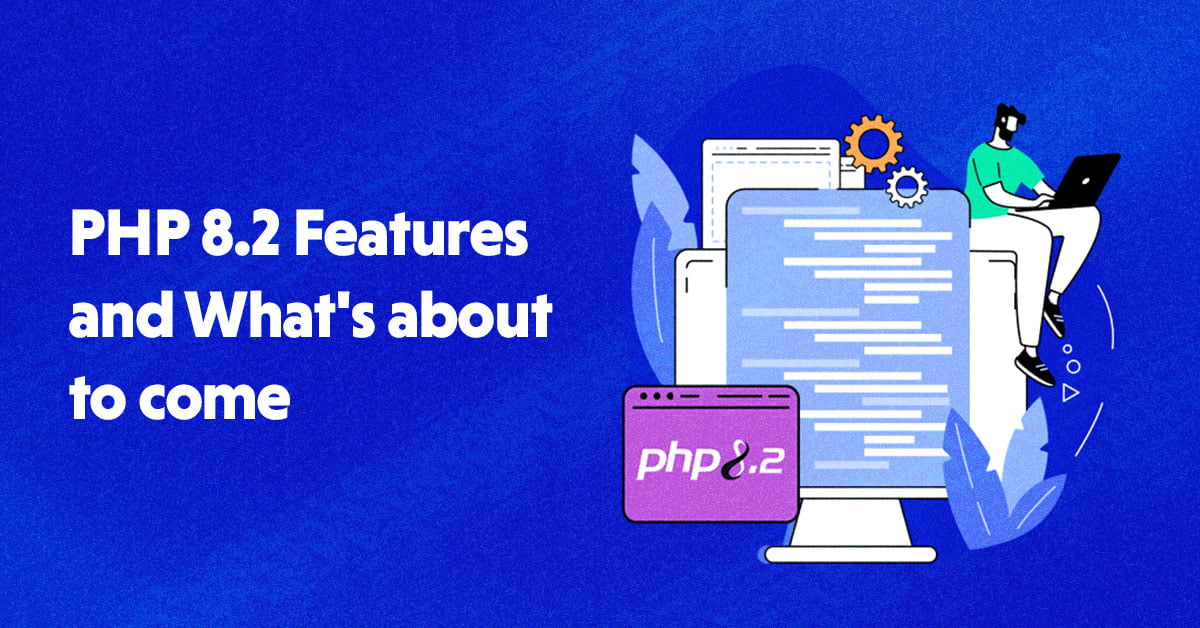
PHP 8.2 brings significant improvements and new features that enhance performance, security, and developer experience. Whether you are running a WordPress site or developing custom applications, understanding these updates is crucial for maintaining optimal performance and compatibility. This guide covers all the major changes in PHP 8.2 and how they impact your web projects.
What is PHP 8.2?
PHP 8.2 is a major release of the PHP programming language that introduces several new features, performance improvements, and deprecations. Released in December 2022, it builds upon the foundation laid by PHP 8.1 and continues the trend of making PHP faster, more secure, and more developer-friendly.
PHP powers over 77% of all websites with known server-side languages, making it one of the most widely used programming languages on the web. WordPress, which powers over 40% of all websites, relies heavily on PHP, so staying updated with the latest version is essential for security and performance.
Key New Features in PHP 8.2
1. Disjunctive Normal Form (DNF) Types
PHP 8.2 introduces Disjunctive Normal Form (DNF) types, which allow you to combine union and intersection types in a more flexible way. This makes type declarations more expressive and easier to work with.
// Before PHP 8.2
function process((A&B)|null $value): void { }

// PHP 8.2 allows this syntax
function process((A&B)|C $value): void { }
2. Readonly Classes
PHP 8.2 introduces readonly classes, which automatically make all declared properties readonly. This is a convenient shorthand that reduces boilerplate code and improves immutability.
// PHP 8.2 readonly class
readonly class User {
    public function __construct(
        public string $name,
        public string $email,
        public int $age
    ) {}
}

// All properties are automatically readonly
$user = new User("John", "john@example.com", 30);
// $user->name = "Jane"; // Error!
3. Deprecation of Dynamic Properties
PHP 8.2 deprecates dynamic properties, which are properties that are created at runtime without being declared in the class. This change encourages better coding practices and improves code quality.
// This was allowed before PHP 8.2
class User {
    public string $name;
}

$user = new User();
$user->name = "John";
$user->email = "john@example.com"; // Deprecated in PHP 8.2
4. New “true” and “false” Standalone Types
PHP 8.2 adds true and false as standalone types, making type declarations more precise. Previously, you could only use bool as a type, but now you can specifically declare that a function returns true or false.
// PHP 8.2 allows standalone true/false types
function isValid(string $email): true {
    return filter_var($email, FILTER_VALIDATE_EMAIL) !== false;
}

function isInvalid(string $email): false {
    // This function always returns false
    return false;
}
5. Improved Error Messages
PHP 8.2 includes improved error messages that provide more context and clearer explanations. This makes debugging easier and helps developers identify and fix issues faster.
Performance Improvements
PHP 8.2 continues the performance improvements seen in previous versions:
- Faster Execution: Optimized opcode handling and improved JIT compiler performance
- Memory Efficiency: Reduced memory usage for certain operations
- Improved Caching: Better opcache performance for frequently used code
- Enhanced JIT Compilation: Just-In-Time compiler improvements for better runtime performance
Security Enhancements
Security is a top priority in PHP 8.2 with several important improvements:
- Deprecation of Unsafe Functions: Functions that could lead to security vulnerabilities are being deprecated
- Improved Password Hashing: Better algorithms for password storage
- Enhanced Input Validation: More robust handling of user input
- Better Error Handling: Reduced information leakage in error messages
Deprecations and Breaking Changes
PHP 8.2 includes several deprecations that developers should be aware of:
- Dynamic Properties: Creating properties at runtime is now deprecated
- Partially Supported Callables: Some callable syntaxes are deprecated
- #[\ReturnTypeWillChange]: This attribute is no longer needed for certain methods
- utf8_encode() and utf8_decode(): These functions are deprecated in favor of mb_convert_encoding()
How to Upgrade to PHP 8.2
Upgrading to PHP 8.2 requires careful planning and testing. Here is a step-by-step guide:
- Check Compatibility: Verify that your WordPress version, themes, and plugins support PHP 8.2
- Backup Your Site: Create a complete backup of your website and database
- Test on Staging: Set up a staging environment and test the upgrade there first
- Update PHP: Use your hosting control panel or contact your hosting provider to update PHP
- Test Thoroughly: Test all website functionality after the upgrade
- Monitor Performance: Watch for any performance issues or errors
WordPress Compatibility with PHP 8.2
WordPress officially supports PHP 8.2 as of WordPress 6.1.1. However, some older plugins and themes may not be fully compatible. Before upgrading:
- Update all plugins to their latest versions
- Update your theme to the latest version
- Check plugin documentation for PHP 8.2 compatibility statements
- Contact plugin developers if you encounter issues
Conclusion
PHP 8.2 brings significant improvements that benefit both developers and end-users. From new type features to performance enhancements and security improvements, upgrading to PHP 8.2 is recommended for all WordPress sites. However, always test thoroughly before upgrading production environments to ensure compatibility with your existing codebase.
Stay updated with the latest PHP releases to ensure your website remains secure, fast, and compatible with modern web standards. Regular updates and proper testing will help you take advantage of the latest improvements while maintaining stability.